By kgomotso|2026-07-06T10:40:43+02:00July 6, 2026|
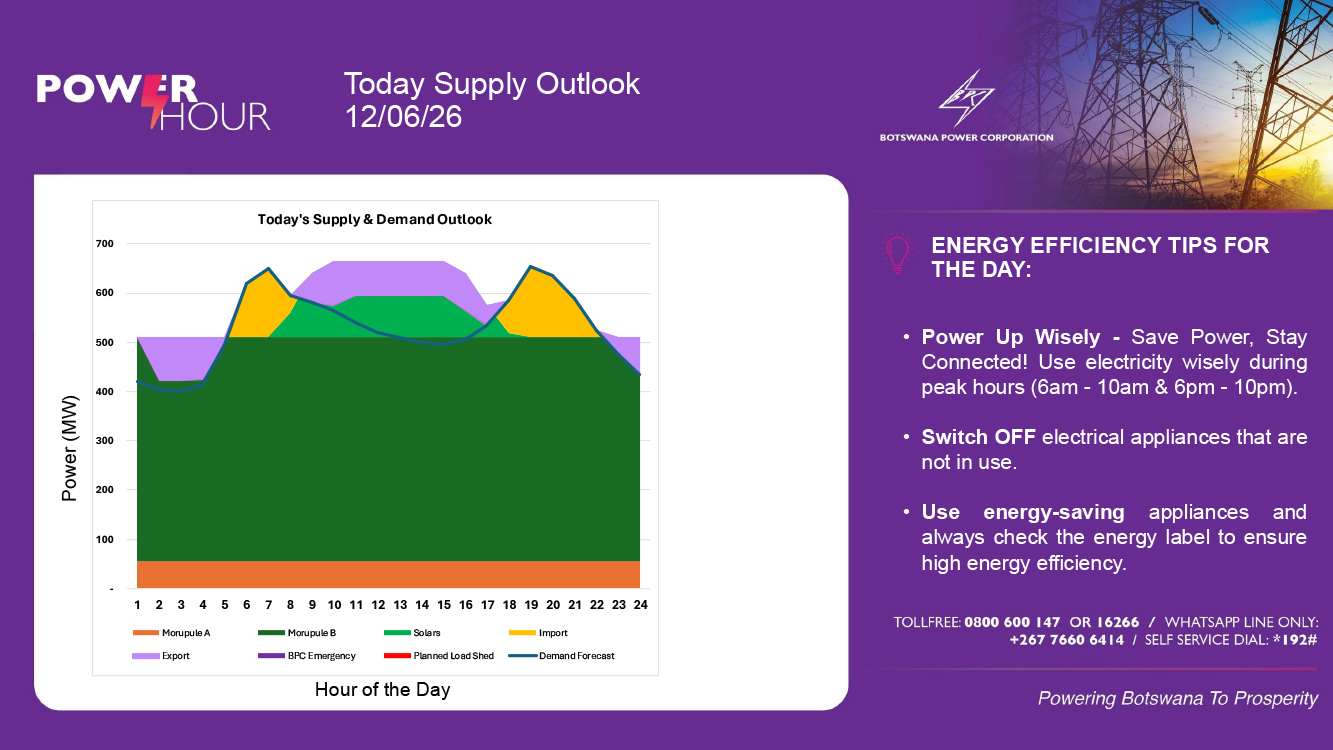
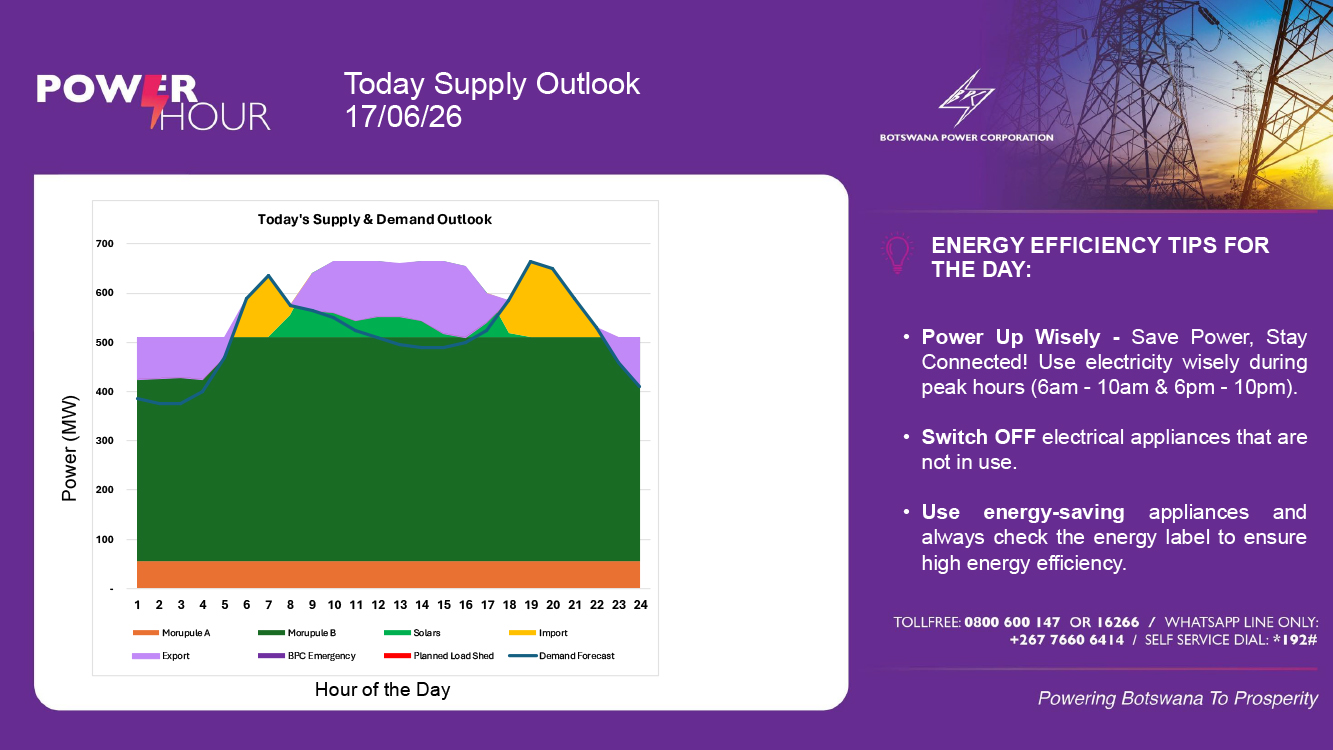
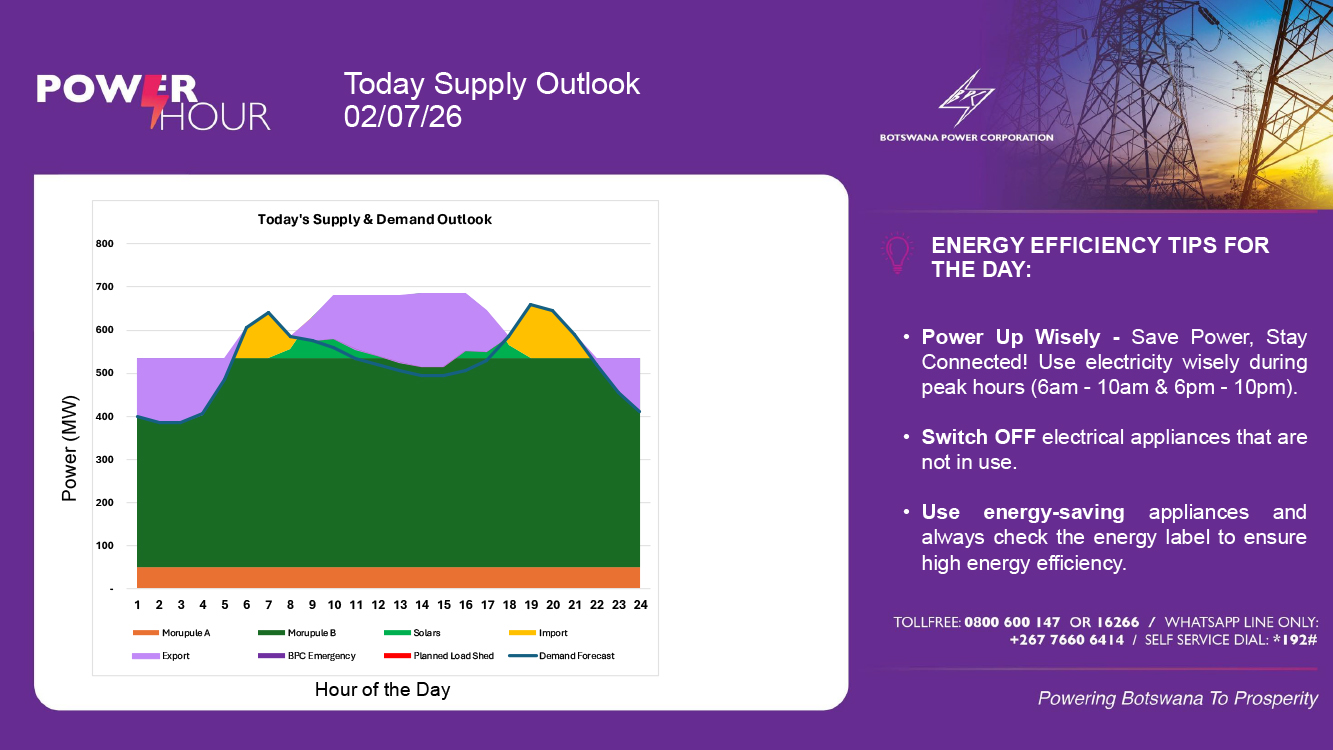
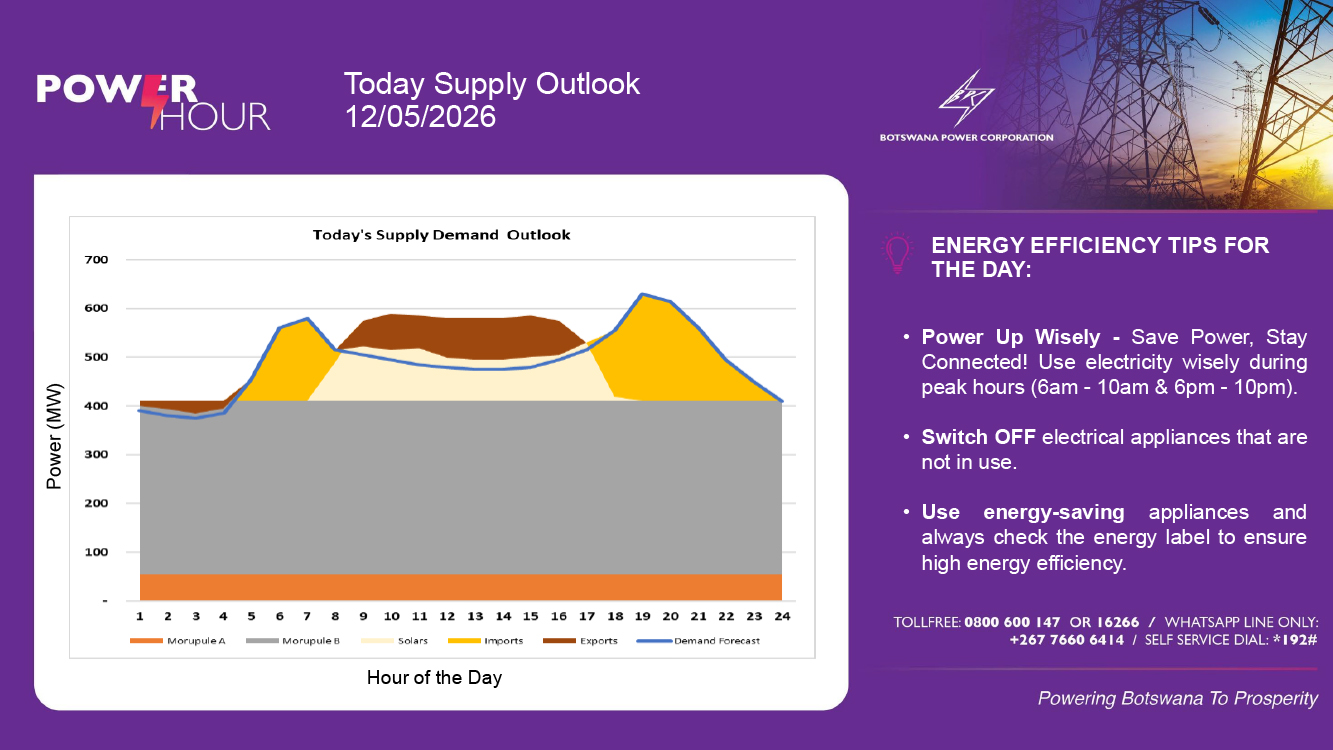
Reliability challenges persist on units that have not yet under gone remediation. As a result, forced outages and short-duration (“pit-stop”) maintenance interventions will continue to be undertaken based on plant condition.
Key performance metrics have, however, improved materially. Mean Time to Repair (MTTR) has been reduced from approximately 30-50 days to 12 days.
In addition, Mean Time Between Failures (MTBF) has increased, with units now remaining on the grid longer for an average of 120 days before a failure occurs.
Collectively, these improvements provide a sound basis for the positive energy availability outlook.
By kgomotso|2026-07-06T10:39:44+02:00July 6, 2026|
By kgomotso|2026-07-06T10:39:17+02:00July 6, 2026|
NOTE:
Reliability challenges persist on units that have not yet under gone remediation. As a result, forced outages and short-duration (“pit-stop”) maintenance interventions will continue to be undertaken based on plant condition.
Key performance metrics have, however, improved materially. Mean Time to Repair (MTTR) has been reduced from approximately 30-50 days to 12 days.
In addition, Mean Time Between Failures (MTBF) has increased, with units now remaining on the grid longer for an average of 120 days before a failure occurs. Collectively, these improvements provide a sound basis for the positive energy availability outlook.
By kgomotso|2026-06-11T09:27:21+02:00June 11, 2026|
Reliability challenges persist on units that have not yet under gone remediation. As a result, forced outages and short-duration (“pit-stop”) maintenance interventions will continue to be undertaken based on plant condition.
Key performance metrics have, however, improved materially. Mean Time to Repair (MTTR) has been reduced from approximately 30-50 days to 12 days.
In addition, Mean Time Between Failures (MTBF) has increased, with units now remaining on the grid longer for an average of 120 days before a failure occurs.
Collectively, these improvements provide a sound basis for the positive energy availability outlook.
By kgomotso|2026-06-11T09:26:55+02:00June 11, 2026|
NOTE:
Reliability challenges persist on units that have not yet under gone remediation. As a result, forced outages and short-duration (“pit-stop”) maintenance interventions will continue to be undertaken based on plant condition.
Key performance metrics have, however, improved materially. Mean Time to Repair (MTTR) has been reduced from approximately 30-50 days to 12 days.
In addition, Mean Time Between Failures (MTBF) has increased, with units now remaining on the grid longer for an average of 120 days before a failure occurs.
Collectively, these improvements provide a sound basis for the positive energy availability outlook.
By kgomotso|2026-06-11T09:26:33+02:00June 11, 2026|
NOTE:
Reliability challenges persist on units that have not yet under gone remediation. As a result, forced outages and short-duration (“pit-stop”) maintenance interventions will continue to be undertaken based on plant condition.
Key performance metrics have, however, improved materially. Mean Time to Repair (MTTR) has been reduced from approximately 30-50 days to 12 days.
In addition, Mean Time Between Failures (MTBF) has increased, with units now remaining on the grid longer for an average of 120 days before a failure occurs.
Collectively, these improvements provide a sound basis for the positive energy availability outlook.
By kgomotso|2026-06-11T09:26:08+02:00June 11, 2026|
NOTE:
Reliability challenges persist on units that have not yet under gone remediation. As a result, forced outages and short-duration (“pit-stop”) maintenance interventions will continue to be undertaken based on plant condition.
Key performance metrics have, however, improved materially. Mean Time to Repair (MTTR) has been reduced from approximately 30-50 days to 12 days.
In addition, Mean Time Between Failures (MTBF) has increased, with units now remaining on the grid longer for an average of 120 days before a failure occurs.
Collectively, these improvements provide a sound basis for the positive energy availability outlook.
By kgomotso|2026-06-11T09:25:31+02:00June 11, 2026|
Reliability challenges persist on units that have not yet under gone remediation. As a result, forced outages and short-duration (“pit-stop”) maintenance interventions will continue to be undertaken based on plant condition.
Key performance metrics have, however, improved materially. Mean Time to Repair (MTTR) has been reduced from approximately 30-50 days to 12 days.
In addition, Mean Time Between Failures (MTBF) has increased, with units now remaining on the grid longer for an average of 120 days before a failure occurs.
Collectively, these improvements provide a sound basis for the positive energy availability outlook.
By kgomotso|2026-03-04T15:22:13+02:00March 4, 2026|
NOTE:
Reliabilitychallengespersistonunitsthathavenotyetundergoneremediation. As a result, forced outages and short-duration (“pit-stop”) maintenance interventions will continue to be undertaken based on plant condition.
Keyperformancemetricshave,however,improvedmaterially.MeanTimeto Repair (MTTR) has been reduced from approximately 30-50 days to 12 days.
Inaddition,MeanTimeBetweenFailures(MTBF)hasincreased,withunitsnow remaining on the grid longer for an average of 120 days before a failure occurs.
Collectively,theseimprovementsprovideasoundbasisforthepositiveenergy availability outlook.
By kgomotso|2026-03-04T15:21:04+02:00March 4, 2026|
NOTE:
Reliability challenges persist on units that have not yet under gone remediation. As a result, forced outages and short-duration (“pit-stop”) maintenance interventions will continue to be undertaken based on plant condition.
Key performance metrics have, however, improved materially. Mean Time to Repair (MTTR) has been reduced from approximately 30-50 days to 12 days.
In addition, Mean Time Between Failures (MTBF) has increased, with units now remaining on the grid longer for an average of 120 days before a failure occurs.
Collectively, these improvements provide a sound basis for the positive energy availability outlook.